

BIZ PRESS RELEASE
Fort Worth Zoo announces births of two Sumatran tiger cubs
The newest arrivals mark the first of this critically endangered subspecies born in Fort Worth Zoo history.
October 2, 2026
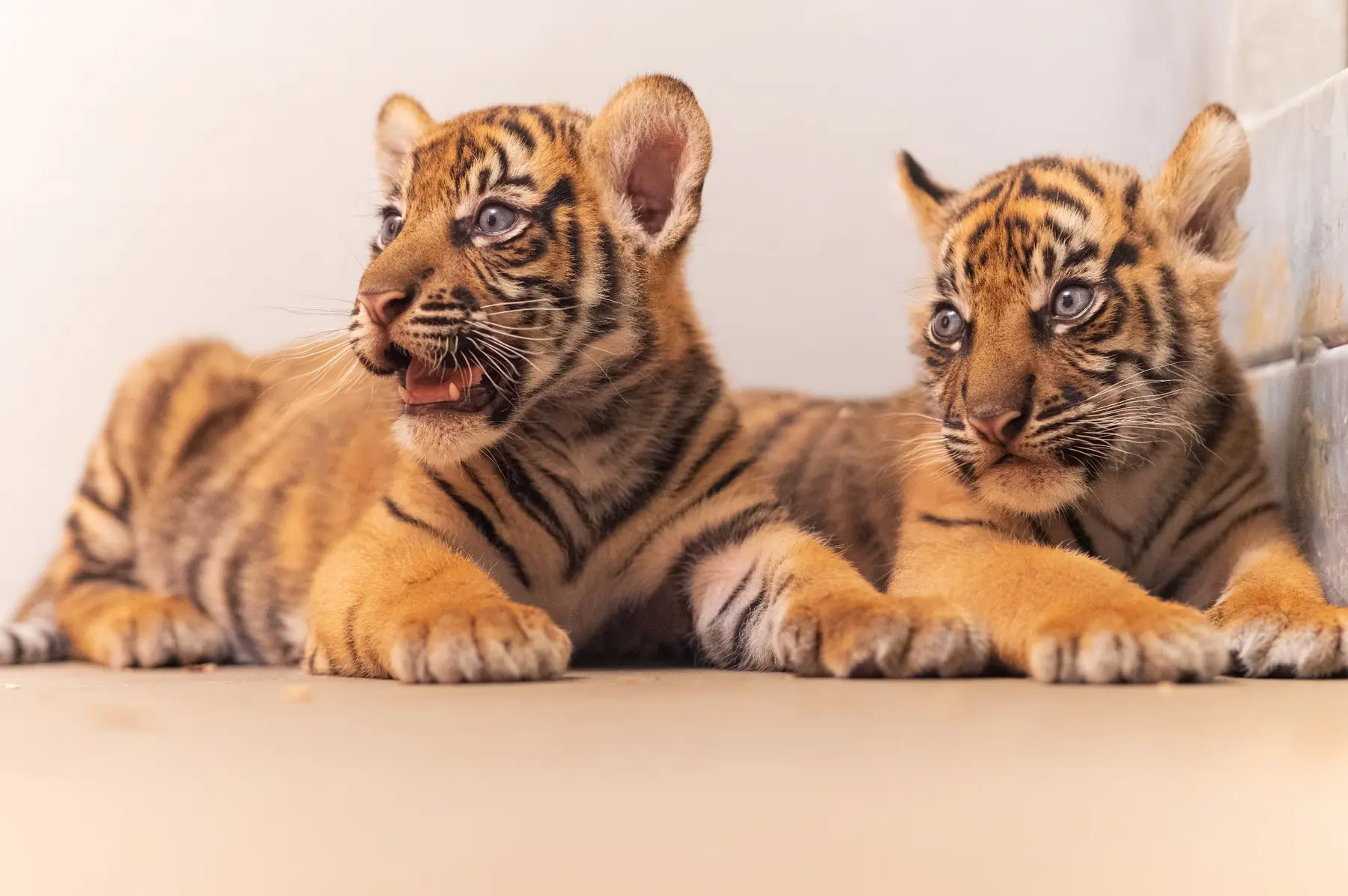
The Fort Worth Zoo announces the births of two female critically endangered Sumatran tiger cubs. The births bring a lot of firsts for the Zoo — the first Sumatran tiger cubs born in Fort Worth Zoo history, the first tiger cubs born in the renovated Predators of Asia & Africa tiger habitat, which opened in 2023, and the first tiger cubs born at the Zoo in nearly two decades. The last tiger cubs born at the Zoo were the Malayan subspecies born in 2008.
According to the International Union for Conservation of Nature, there are fewer than 650 Sumatran tigers left in the wild, primarily due to habitat loss and deforestation. The Zoo's expanded and enriching tiger habitat in Predators of Asia & Africa opened in 2023 and doubled the size of the previous tiger habitat. The enlarged yard and renovated behind-the-scenes barn allowed the Zoo to renew its focus on conservation work for this species. The Zoo participates in a cooperative Sumatran tiger breeding program with other North American zoos to ensure a genetically diverse, healthy population of this subspecies, and the two new cubs will contribute to this growing population in managed care.
The sisters were born July 1 to first-time mother Ndari and father Rakan. At just 1 week old, they weighed approximately 3 to 4 pounds and measured about 10 to 12 inches long — about the size of a plush teddy bear. At 12 weeks old, they weigh 18 pounds and 20 pounds, respectively, and measure about 25 to 29 inches long — similar to a large pumpkin.
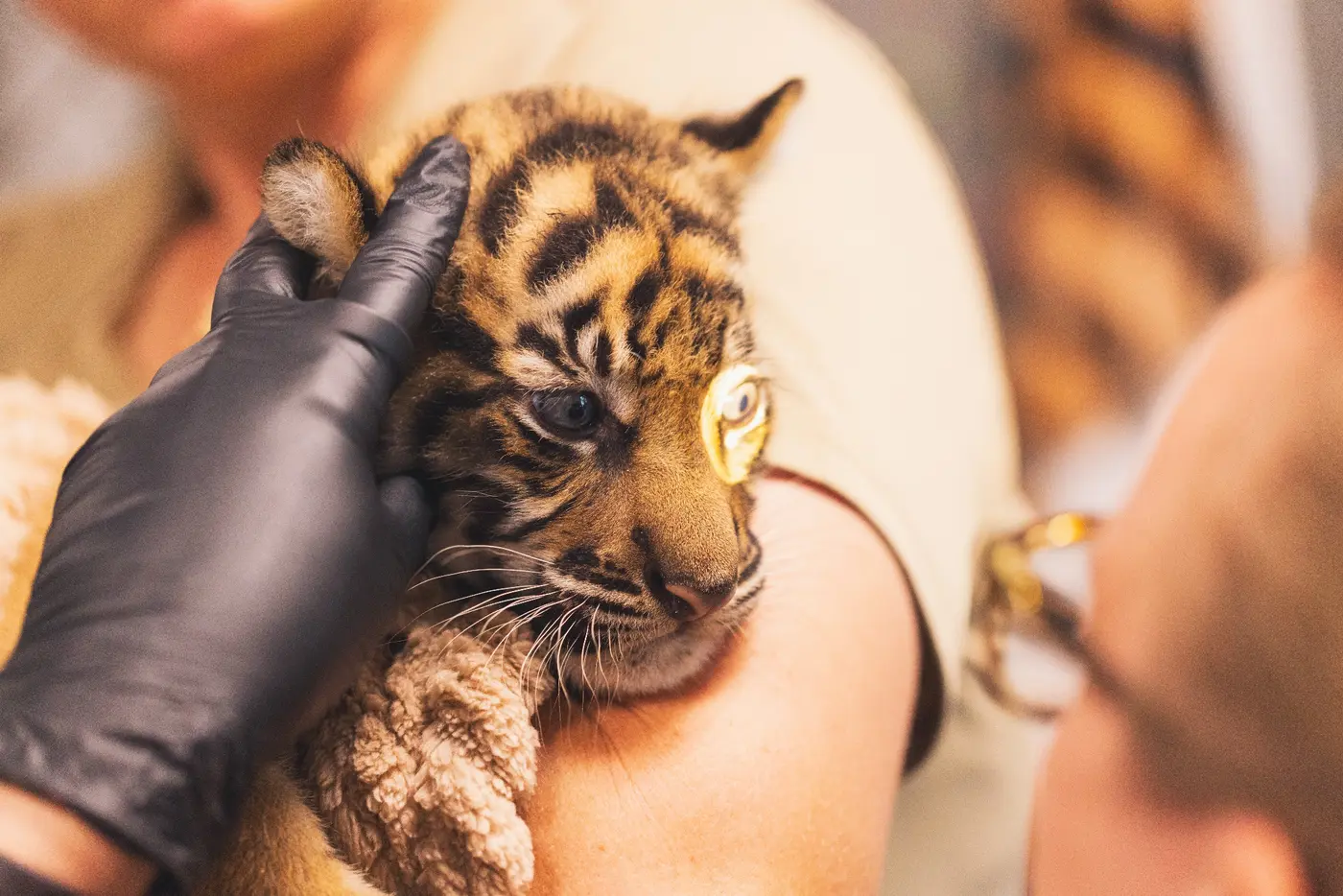
The tiniest tigers have been spending time behind the scenes growing and bonding with mom while keepers have kept a close eye on their growth and development. Over the last several weeks, the little ladies have surpassed many milestones, including learning to jump, run and climb; starting a small meat diet, though they still nurse often; practicing their balance; being exposed to water; and beginning to play and play-fight with each other and Ndari.
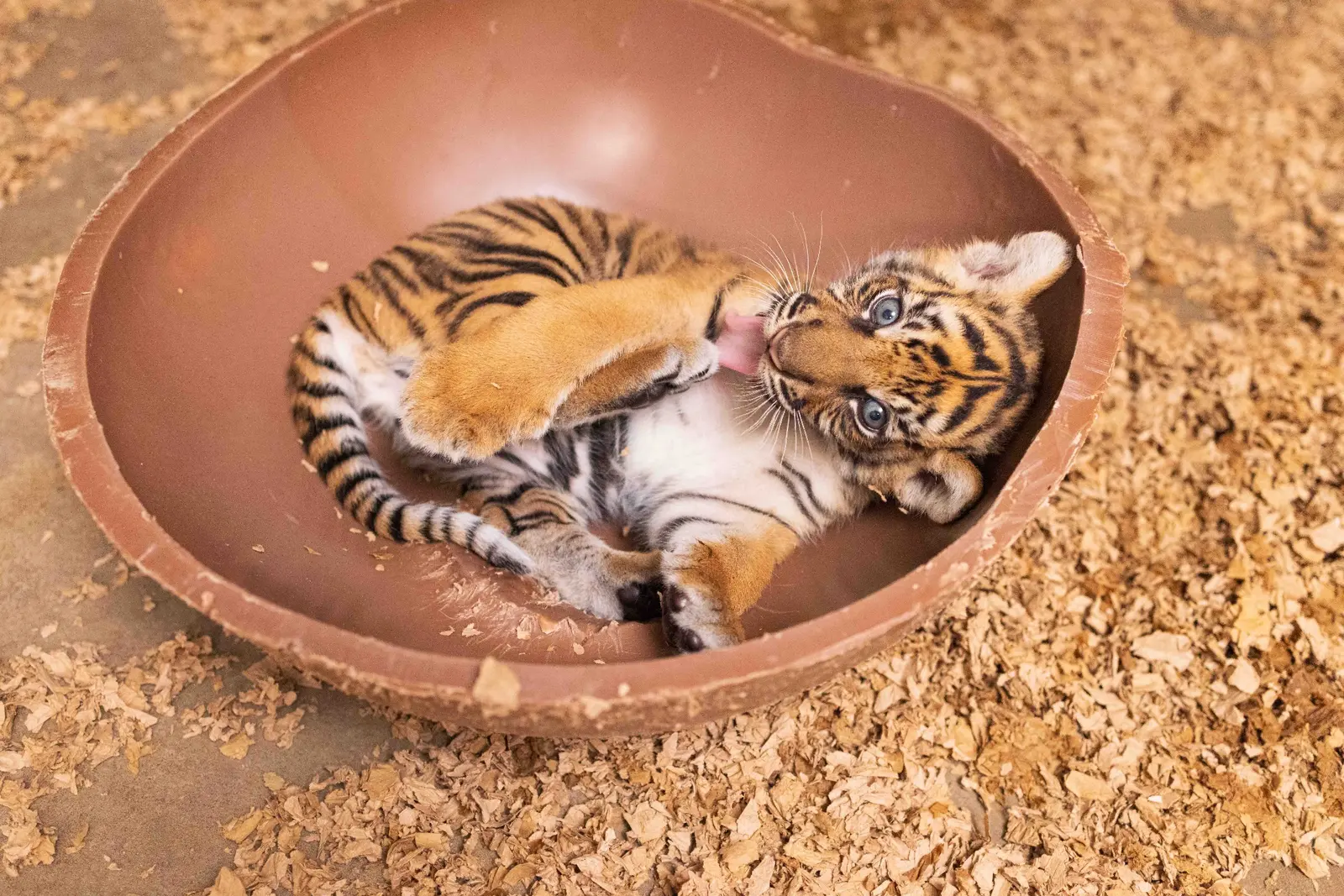
As a first-time mother, Ndari is exhibiting ideal maternal behaviors, including allowing frequent nursing opportunities and bathing, playing with and carrying the cubs as she moves about the den.
The two cubs have been given names inspired by their demeanor and behavior. For the smaller sister, Barani means “brave,” as she is described by her keepers as a “spitfire,” often playing and initiating play-fights with her sister around the clock. For the other sister, Malu means “shy or reserved.” Her keepers say she is more independent and often seeks alone time in a neighboring barn stall to nap. The names Barani and Malu are inspired by Indonesian languages, reflecting the native range of the Sumatran tiger on the island of Sumatra in Indonesia.
“It's always exciting to welcome new babies and watch them grow here at the Zoo,” said Ramona Bass, chairman of the Fort Worth Zoo. “But we're hopeful that these cubs will inspire a new generation to learn about and care for their wild counterparts and the future of this critically endangered species.”
Because these are the first cubs born in the new Predators of Asia & Africa tiger habitat, zookeepers want to be sure Barani and Malu are big and strong enough to navigate the new space, including the many water features. The Zoo is hopeful the cubs will make their public debut in the coming weeks and will share updates on its website and social media.